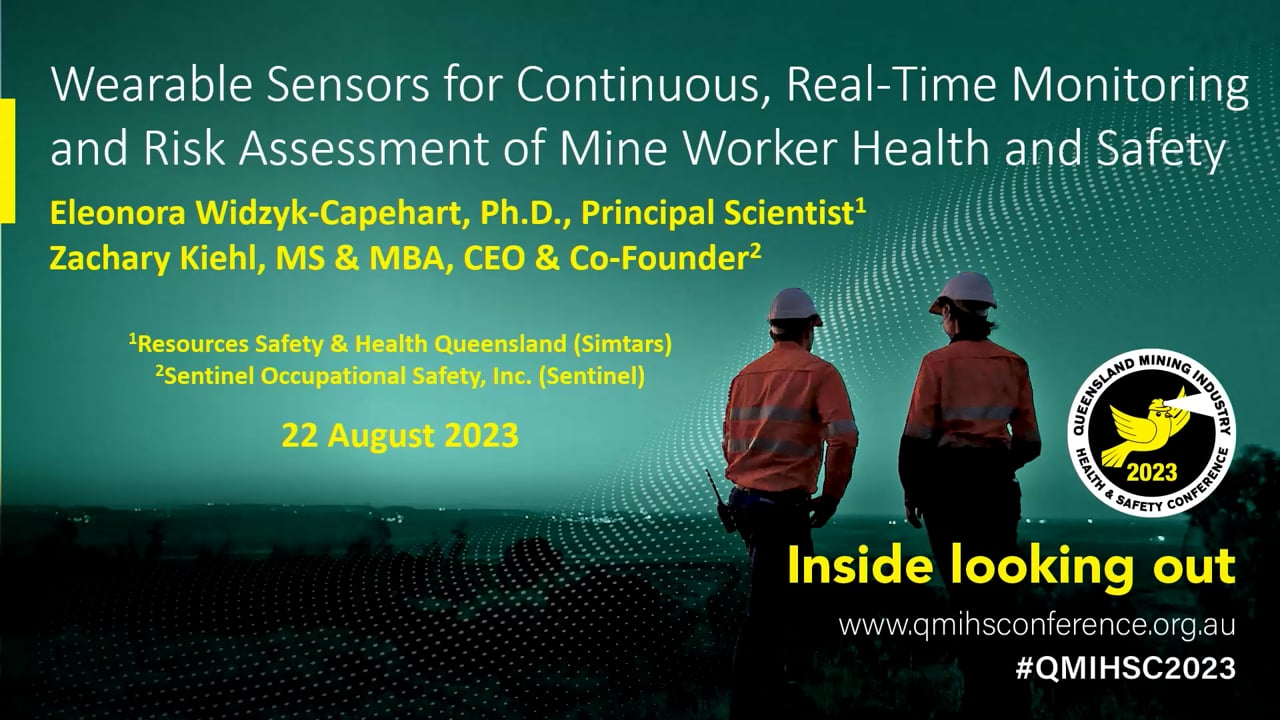
Eleonora Widzyk-Capehart & Zachary Kiehl
Simtars & Sentinel Occupational Safety
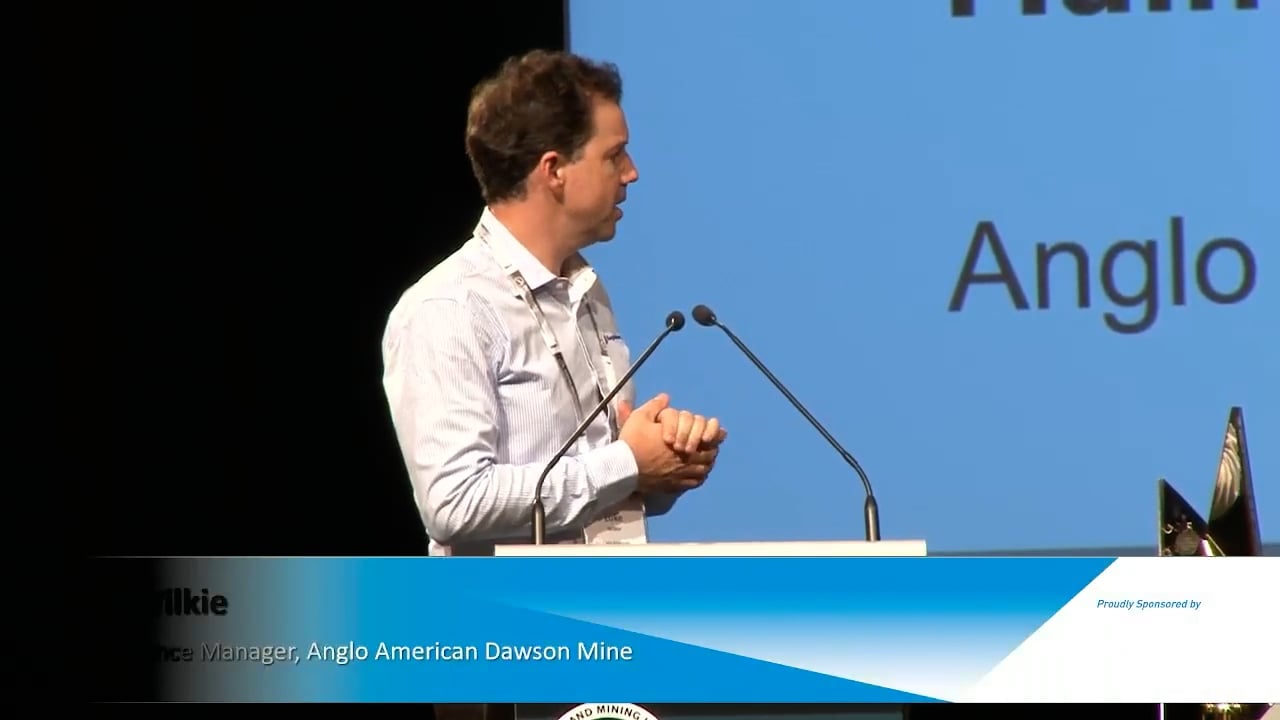
Luke Wilkie, Maintenance Manager, Anglo American Dawson Mine
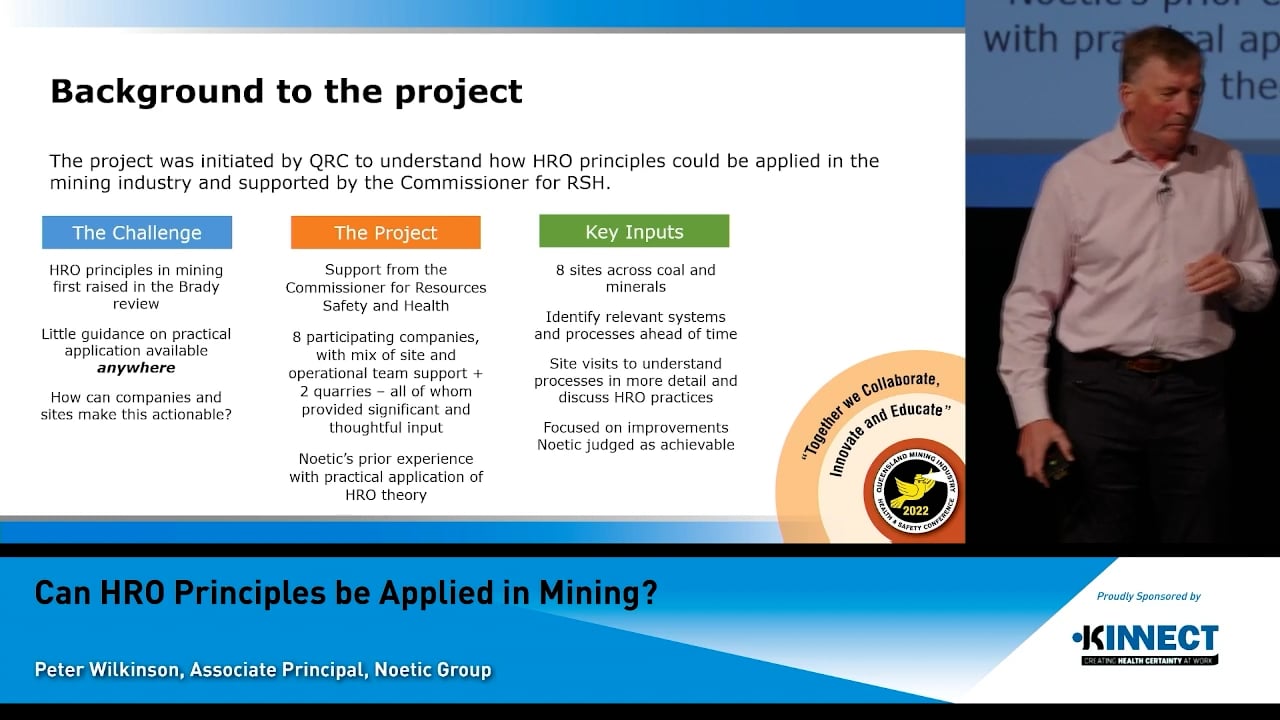
Peter Wilkinson, Associate Principal, Noetic Group

Stephen Williams
Engineering Manager, Connec High Voltage Coupler Systems
High voltage (HV) electricity is one of the primary sources of energy within underground coal mines, the effective control of which is fundamental to maintaining a safe working environment. Furthermore, the equipment typically used in HV transmission and distribution is heavy, requiring manual handling to facilitate installation in what can be deemed a confined and harsh working environment.
HV cable coupler and connection systems are an integral and necessary part of mining electrical systems. Underground mining especially has a frequent need to connect and disconnect cables as a result of both the mining process and cable/connector inspection, maintenance and testing regimes. However, current coupler designs which have been in use for several decades consist primarily of a heavy metallic body that inherently limits methods for “testing for dead” prior to touching the coupler.
This presentation describes at a relatively high level the various associated safety benefits that have been incorporated into developing these polymer coupler systems, including the ability to reliably “test for dead” prior to disconnecting a coupler and the substantial weight reductions that allow for improved manual-handling.
Having been supported by ACARP from the outset, Connec has developed the world’s first polymer-based Restrained (≤3.3 kV) and Bolted (≤11 kV) HV coupler systems that are both ANZEx and IECEx certified for use in underground coal mining environments.

Lauren Williams,
Lung Foundation Australia
Liam Wilson, ISO Committee Member TC-82 Mining, WG 9, ISO Committee TC-82 – Mining, WG 9
An Interview with the last Mining Warden, Frank Windridge, by John Tate, Barrister, Crown Law
Mr Frank Windridge
Appointed as a Magistrate and Warden in 1982, Frank was the Queensland Mining Warden from 1990 to 2001.
During Frank’s appointment as Mining Warden, he oversaw the investigation of all fatalities and serious accidents that occurred in the Queensland mining industry. In particular, Frank’s contribution to advancing health and safety is best illustrated by the introduction of risk-based legislation in 1999, following his investigation and 1996 Report into the 1994 Moura No. 2 Underground Coal Mine disaster.
Frank’s continuing passion is the improvement of mine health and safety. His experience has been gained through the fatalities he has investigated, as well as through the impact he has seen on families, work mates and the industry when loss of life occurs.
Mr John Tate
John was admitted to practice law as a Barrister and Solicitor in 1981. He has practised both privately and in government in a number of Australian jurisdictions – in New South Wales, the Australian Capital Territory, Norfolk Island and Queensland.
Since 1996, John has acted as Counsel Assisting in Mining Warden’s and Coronial inquiries in virtually all mining, explosives, petroleum and gas fatalities in Queensland. Additionally, he has been retained in a range of other fatality inquiries where the primary issue has concerned hospital misadventure, aircraft failure, fatigue, or the suspicion of murder. To this point, John has acted as Counsel Assisting in over 90 public fatality inquiries.
For many years, John’s interests and experience have focused on the critical review of safety and health management and training systems, on accident investigation methodologies, and on compliance issues. Reflecting this, he is frequently engaged as a speaker in public forums and conferences.
Facilitator: Kylie Ah Wong, Director - Health, Safety & Training, Glencore Coal Assets Australia
Simon Worland – Occupational Hygienist
ABSTRACT
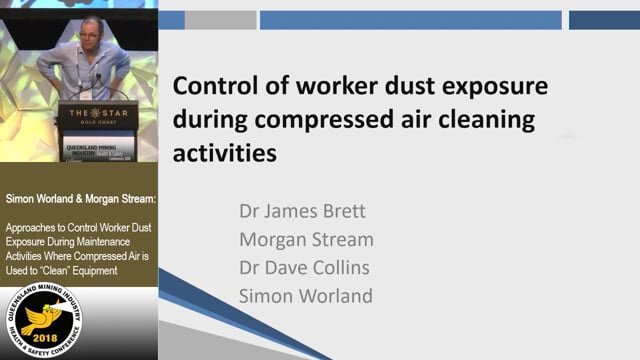
Use of compressed air to blow out or “clean” electrical cabinets is a routine maintenance task across the Queensland Coal Industry. Elevated levels of harmful dust can engulf the blow out operator for extended periods and increase the risk of developing lung diseases including Coal Workers Pneumoconiosis and silicosis.
In 2017 the Queensland Mines Inspectorate reported that approximately 50% of all respirable dust and Respirable Crystalline Silica (RCS) exceedances in surface coal mines was directly related to the use of compressed air for cleaning down enclosures and equipment during maintenance activities.
Respiratory protection has historically been viewed as the primary control to protect the health of blow out operators as dust controls at the engineering level or above have not been considered to be feasible.
Blow out of electrical cabinets on Komatsu 960E haul trucks have been targeted for an engineering dust control project at Hail Creek Mine. The project has focussed on the following areas:
• Sealing of cabinets
• Application of positive pressure
• Local exhaust ventilation / vacuuming
• Identification of alternative cleaning methods
• Measurement of control performance
This paper describes the dust control project along future direction for application of common principles to other equipment such as draglines and excavators.
Simon Worland
Caltex
Dr Dave Collins and James Forsyth
Synergetics Consulting Engineers
Use of compressed air to clean electrical equipment is a routine maintenance task in heavy mining equipment (HME) across the Queensland Mining Industry. During cleaning elevated levels of harmful dust can engulf the compressed air cleaning operator for extended periods and increase the risk of developing lung diseases including pneumoconiosis and silicosis.
In 2017 the Queensland Mines Inspectorate (Department of Natural Resources, Mines and Energy, 2018) reported that approximately 50% of all respirable dust and Respirable Crystalline Silica (RCS) exceedances in surface coal mines were directly related to the use of compressed air for compressed air cleaning of equipment prior to maintenance.
Respiratory protection has historically been viewed as the primary control to protect the health of compressed air cleaning operators, as higher order controls such as engineering controls have not been considered feasible.
The principal of applying engineering controls for compressed air cleaning of haul truck electrical cabinets was reported and demonstrated at the Queensland Mining Industry Health and Safety Conference in 2018 (Worland, Stream, Brett and Collins). Here the electrical cabinets were converted into full enclosures under negative pressure resulting in a physical barrier between the worker and the dust generating compressed air cleaning task.
This paper describes the further development and field testing of engineering controls over the intervening 12 months. Safe compressed air cleaning has now been demonstrated for a broad range of HME including trucks, excavators, dragline MG sets and stationary equipment. The controls incorporate continuous monitoring of airborne particulate with feedback systems to shutdown compressed air and demonstrate that safe compressed air cleaning is achievable.