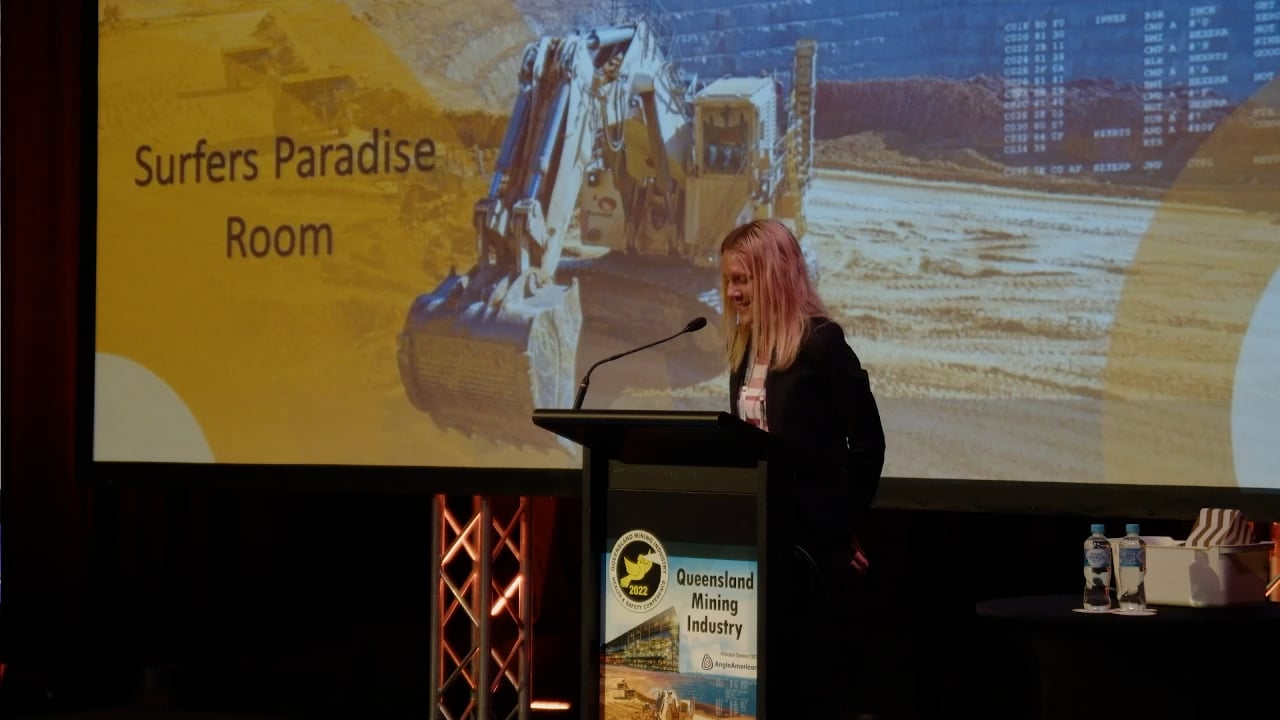
Assoc Prof John Schneider, Occupational Physician, BeWorkFit Mackay
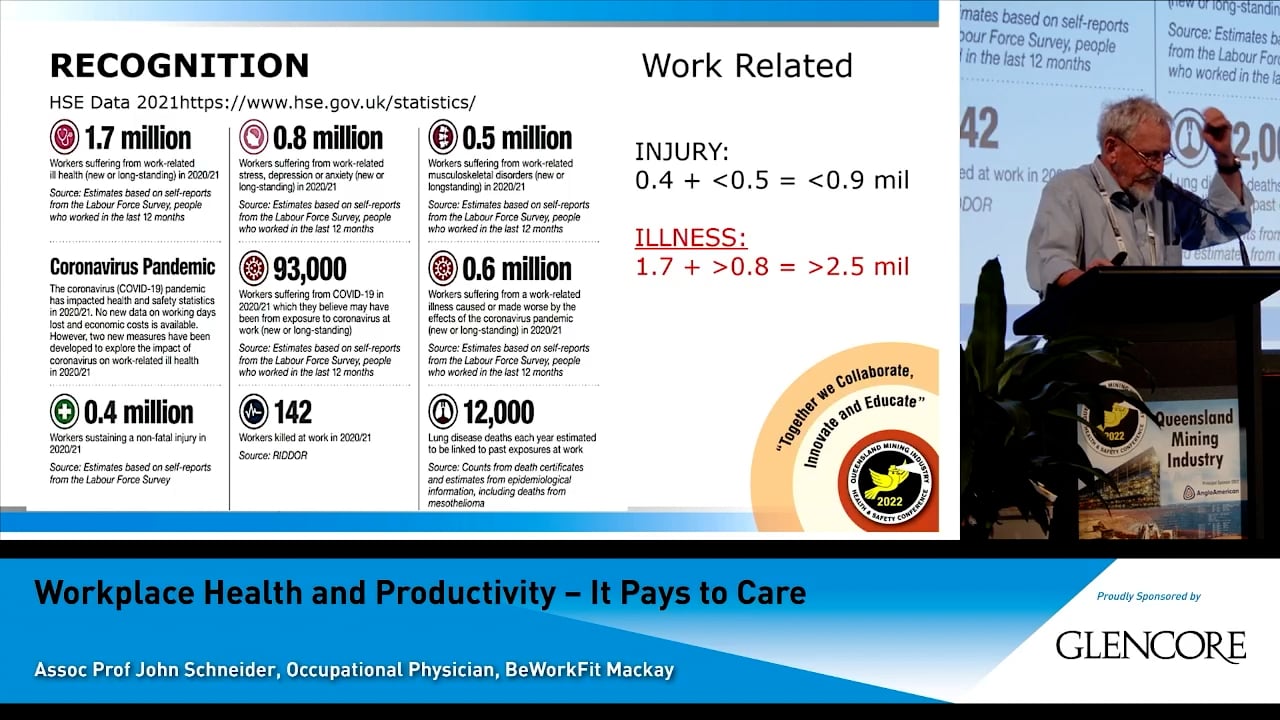
Assoc Prof John Schneider, Occupational Physician, BeWorkFit Mackay

Michael Selby,
NB Industries
Dr Ben Seligmann, Research Fellow – Risk Management, Sustainable Minerals Institute, University of Queensland
Stuart Sephton
National Plastics & Rubber Pty Ltd

Naaman Shibi,
Techs4biz Australia

Naaman Shibi
Techs4biz Australia
Andy Shone, Chief Executive Officer, Southpac International
Paul Shorthouse – Senior Training Officer, Simtars
ABSTRACT
Queensland legislation requires all coal mines, mineral mines and quarries to have an induction process. These inductions, including the current Standard 11 mine induction, address a wide range of topics including risk management, vehicle interaction, fire-fighting and a generic isolation procedure. The underpinning knowledge that is required and crammed into two days only allows for a brief amount of time to focus on the main points and not given the attention and time they require. This makes the induction more of a ‘tick in the box’ exercise rather than a valuable strategy aimed at training the worker to stop and think about what is required to safely accomplish the task they are about to perform.
This talk will ponder the following questions: Is the current induction process effective? What metrics should we be using to gauge its effectiveness? How can the delivery of the course be improved to increase knowledge retention and improve the decision making choices of mining personnel? Are meaningful inductions even more important with the casualisation of the workforce? What additional training could decrease the amount of injuries, accidents, high potential incidents and equipment damage?
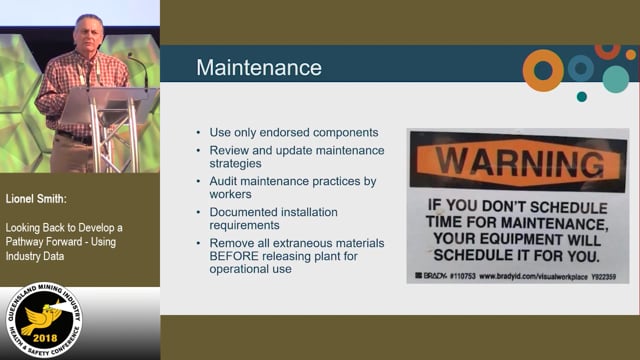
Lionel Smith – Regional Inspector of Mines, Department of Natural Resources, Mines and Energy
ABSTRACT
The mining industry provides a lot of information to the Mines Inspectorate associated with safety and health matters at mines and quarries. While the inspectorate may be the holder of this information, it is available to industry to assist in analysis if matters that may be plaguing their mine.
By using industry data that has been provided a deep dive into electrical fires on mobile equipment will be examined to highlight where there are common issues that contribute to the development of a fire and then contribute to the sustainability of a fire. Recommendations from the data will be extracted to allow mines and more importantly, Original Equipment Manufacturers and third part equipment modifiers, to allow design consideration to reduce the number of mobile equipment fires and financial loss to a mine.