Skip to content
Facebook-f
Linkedin-in
Main Menu
Welcome
About
Organising committee
Program
Conference program
Sunday workshop
Keynote speakers
Sponsorship
Our sponsors and exhibitors
Past Conferences
2026
2025
2024
2023
2022
Contact
2018 Conference
Day 1
Day 2
Day 3
Day 4
2019 Conference
Day 1
Day 2
Day 3
Day 4
2022 Conference
Day 1
Day 2
Day 3
Day 4
2023 Conference
Day 1
Day 2
Day 3
Day 4
2024 Conference
Day 1
Day 2
Day 3
Day 4
2025 Conference
Day 1
Day 2
Day 3
Day 4
2026 Conference
Day 1
Day 2
Day 3
Day 4
Concurrent presentation
Exhibitor Innovations
Health Innovation Award Presentation
Health Program Award Presentation
Innovation Award Presentation
Keynote
Opening session
Panel session
Safety Innovation Award Presentations
No items found
A Changed Regulatory Framework
Best practice fatigue management and collaboration
Caring for the worker
Collaboration improving performance
Critical controls
Critical Risk Management Controls & Emerging Hazards
Cultural Improvement
Dust Impacts – Mines and Quarries
Dust Impacts and Controls
Educate through investigations
Educate to improve
Emerging Opportunities
Engineering Safer Equipment
Engineering Safer Operations
Exhibitor innovations
Exhibitor Presentations
Fatigue Management in the Queensland industry collaboration and innovation
Fitness for work
General/Technical
Health
Health & Technical
Health and safety exposures
Health Innovation Award presentations
High reliability organisation innovation
Human/General Factors
Incident reporting and analysis
Innovation Through Research ACARP Project Updates
Leadership Culture & Organisational Learning
Leadership leveraging data
Leading Safe Organisations
Learning from investigations
Lessons learnt – surface mining
Management & Control Assurance
Managing exposure
Occupational Hygiene & Exposure Management
Operational Excellence Technology & Innovation
Our environment
Our Equipment
Our Organisation
Our People
Our Systems
People Performance & Critical Controls
Prevention is better than cure
Protecting Respiratory Health
Respiratory Health
Risk management
Safety Culture
Safety Training Workshop
Simtars
Surface fatal risks
Technical/Ventilation Management
Technological safety
Technology & Digitisation
The Regulator
Underground Coal
Understanding your obligations
Wellbeing
Worker Health Wellbeing & Human Factors
Workforce Health Human Performance & Wellbeing
Working to the future
Workplace culture and reprisal
No items found
37 videos found
Ramsay – Diamond Wire Saw Mobile Unit
2019 Conference
,
Day 2
,
Innovation Award Presentation
Matt Ramsay Drilling Superintendent – Gas, Anglo American – Moranbah North Mine The Problem The rehabilitation of ...
Roberts/Champion – Limiting Respirable Dust Exposure During Maintenance Activities
2018 Conference
,
Day 4
,
Innovation Award Presentation
David Roberts – Maintenance Fitter Dave Champion – HSET Manager, Peabody-Millennium Mine
Sephton – HoseMate: Creating a safer workplace by reducing hydraulic hose failures
2023 Conference
,
Day 2
,
Innovation Award Presentation
Stuart Sephton National Plastics & Rubber Pty Ltd
Tomicek – Remote Grease Pressure Release System – Downer Mining (2014 Finalist)
2018 Conference
,
Day 4
,
Innovation Award Presentation
Eric Tomicek Global Sales Manager, Australian Diversified Engineering
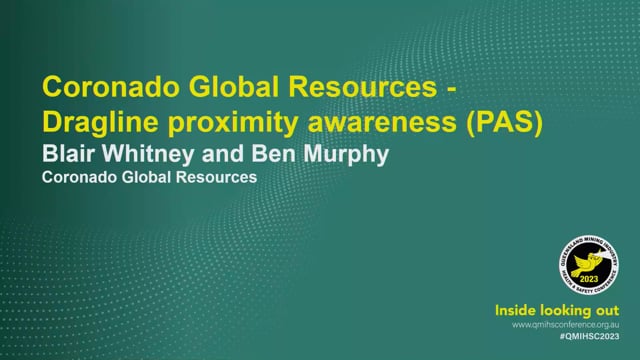
Whitney/Murphy – Coronado Global Resources – Dragline Proximity Awareness (PAS)
2023 Conference
,
Day 2
,
Innovation Award Presentation
Blair Whitney & Ben Murphy Coronado Global Resources Inc
15:15
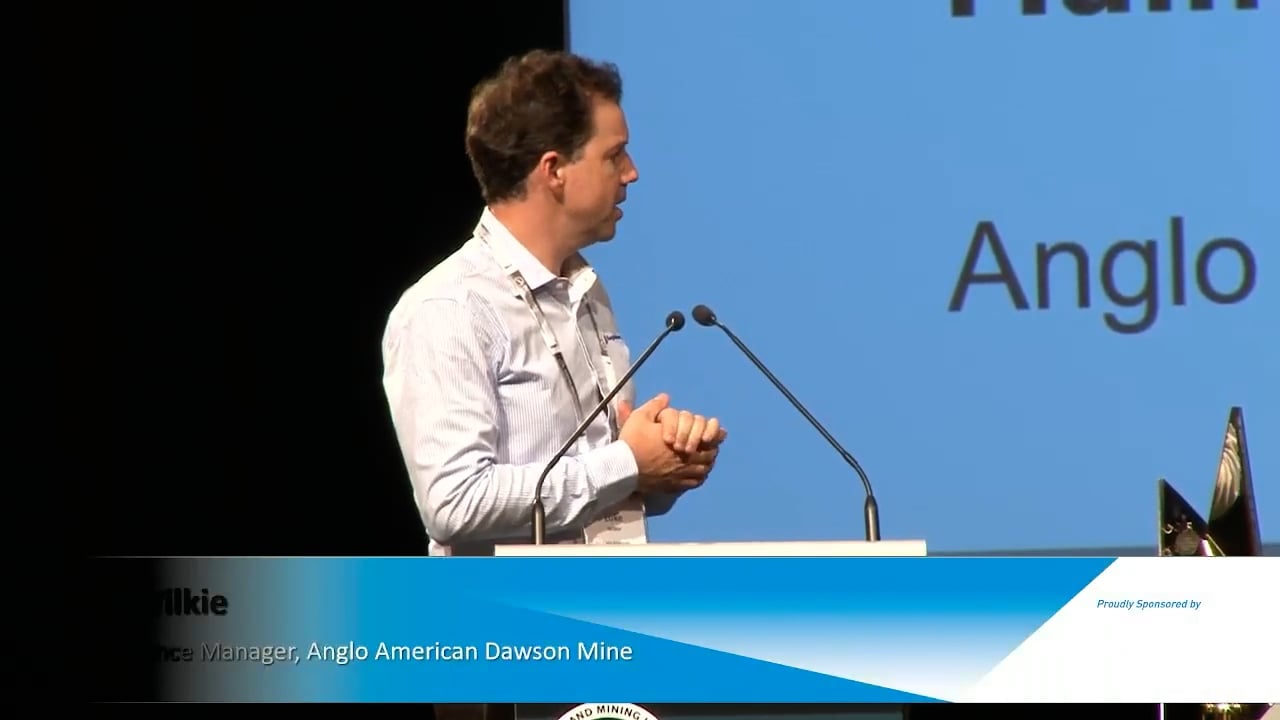
Wilkie – Workshop Wheel Chock
2022 Conference
,
Day 2
,
Innovation Award Presentation
Luke Wilkie, Maintenance Manager, Anglo American Dawson Mine
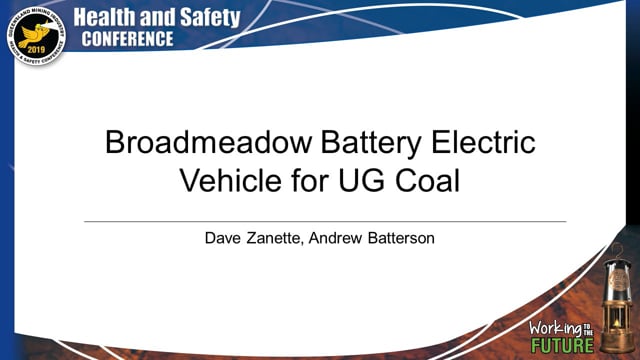
Zanette/Batterson – Broadmeadow Battery Electric Vehicle for UG Coal
2019 Conference
,
Day 2
,
Innovation Award Presentation
Dave Zanette Project Supervisor, BMA Andrew Batterson BMA Engineering The Broadmeadow Battery Electric Vehicle ...
«
1
2
3
4
Page 4 of 4